

Sustainability has become a central concept in the construction and architectural industries. The goal of sustainable building design is to minimize environmental impact while ensuring that future generations can enjoy the planet’s resources. By implementing eco-friendly strategies, architects and builders can create structures that are energy-efficient, socially responsible, and economically viable, benefiting both occupants and the environment.
Understanding Sustainability in Building Design
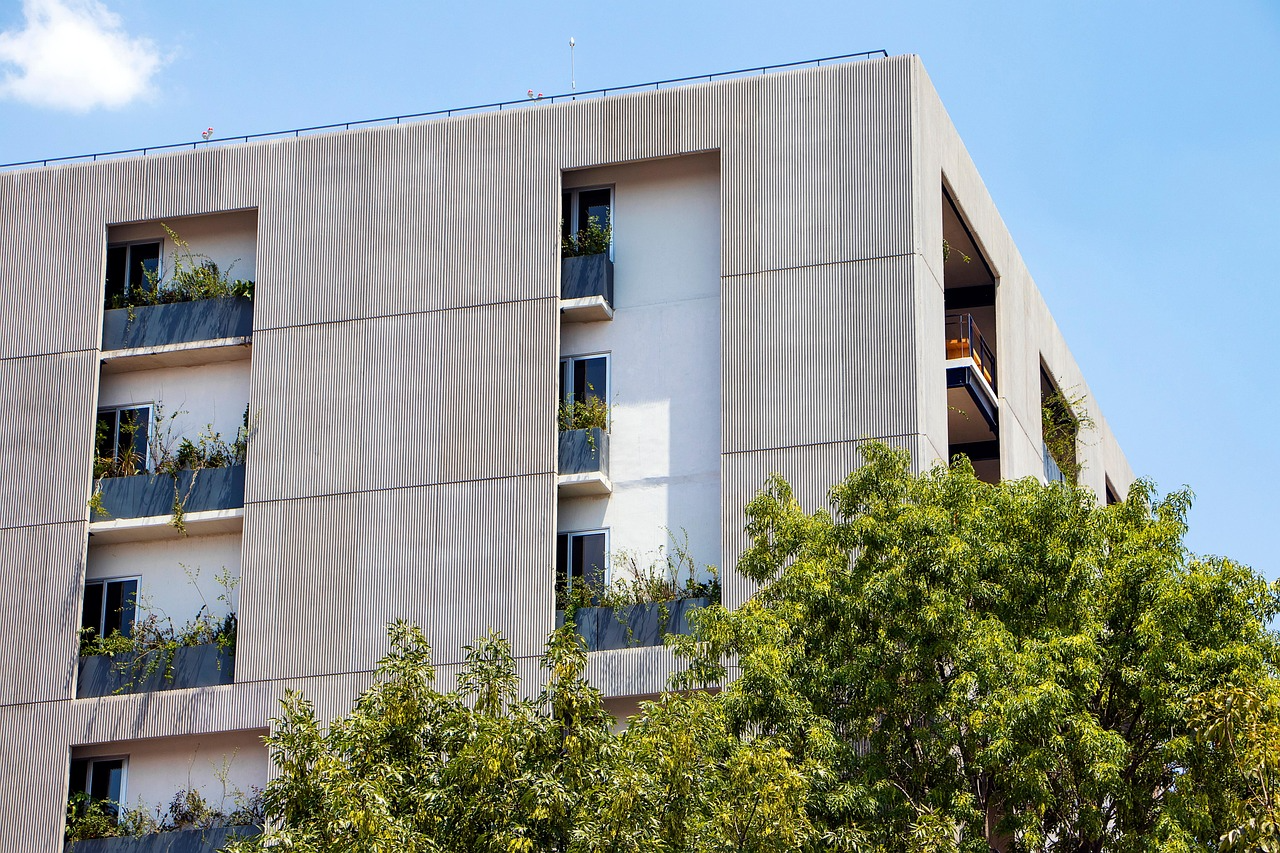
Sustainability in building design goes beyond environmental considerations. It encompasses a holistic approach that includes social and economic factors alongside ecological responsibility. Sustainable architecture aims to reduce the environmental footprint of a building while promoting social equity and long-term economic efficiency. Features like rooftop gardens, green walls, and multifunctional outdoor spaces can enhance environmental performance, support local biodiversity, and improve aesthetic and functional value for occupants.
The Importance of Sustainable Building Design
Sustainable buildings offer numerous advantages that make them increasingly popular in modern construction. Environmentally friendly designs can lower construction costs in the long term, even when using higher initial investments like solar panels or advanced insulation. These buildings improve occupant health by reducing exposure to harmful materials and providing access to natural light and clean air. Sustainable structures also enhance productivity in workplaces, minimize construction waste, and reduce environmental impact. In addition, green buildings often experience higher market demand and improve overall quality of life for users.
Optimizing Site Potential
A key principle of sustainable building design is selecting and optimizing the building site. Location, orientation, and the integration of existing structures significantly influence energy use, transportation needs, and ecological impact. Sustainable design considers the local ecosystem, supports native flora and fauna, and minimizes disruption to natural landscapes. Smart site planning ensures the building contributes positively to the surrounding environment while maximizing its functional potential.
Maximizing Energy Efficiency
Energy optimization is essential for sustainable buildings. Reducing energy demand, improving efficiency, and incorporating renewable energy sources such as solar panels help decrease reliance on fossil fuels and lower carbon emissions. Thoughtful building orientation, insulation, and energy-efficient systems contribute to long-term sustainability while reducing operational costs.
Enhancing Indoor Environmental Quality
The quality of the indoor environment directly affects occupant health, comfort, and productivity. Sustainable design prioritizes natural lighting, improved air quality, low-emission building materials, and enhanced acoustic performance. By creating healthy and comfortable indoor spaces, buildings can support the well-being and performance of their occupants.
Water Conservation Strategies
Water conservation is a critical element of sustainable building design. Sustainable buildings minimize impervious surfaces, reduce water runoff, and implement on-site water recycling systems. Efficient plumbing, low-flow fixtures, and rainwater harvesting help protect local water resources and maintain ecological balance, ensuring responsible water use throughout the building’s lifecycle.
Efficient Use of Building Materials
Optimizing material use is crucial in addressing the growing demand for natural resources. Sustainable building design encourages the selection of materials that are reusable, recyclable, or sourced from renewable supplies. Efficient use of materials reduces waste, lowers environmental impact, and preserves resources for future generations, supporting both ecological and economic sustainability.
The Role of Architects in Sustainability
Architects and planning professionals play a pivotal role in shaping a sustainable future. By prioritizing environmentally conscious design choices, they can reduce ecological damage, promote social responsibility, and ensure long-term economic viability. Sustainable building practices offer a practical solution to global challenges, allowing construction projects to contribute positively to the planet and future generations.
Conclusion
Creating sustainable buildings requires a comprehensive approach that integrates energy efficiency, water conservation, indoor environmental quality, and responsible material use. By embracing sustainable design principles, architects and builders can reduce environmental impact, enhance occupant well-being, and ensure long-term economic benefits. Adopting these strategies is not only a professional responsibility but also a commitment to preserving the planet for current and future generations.