

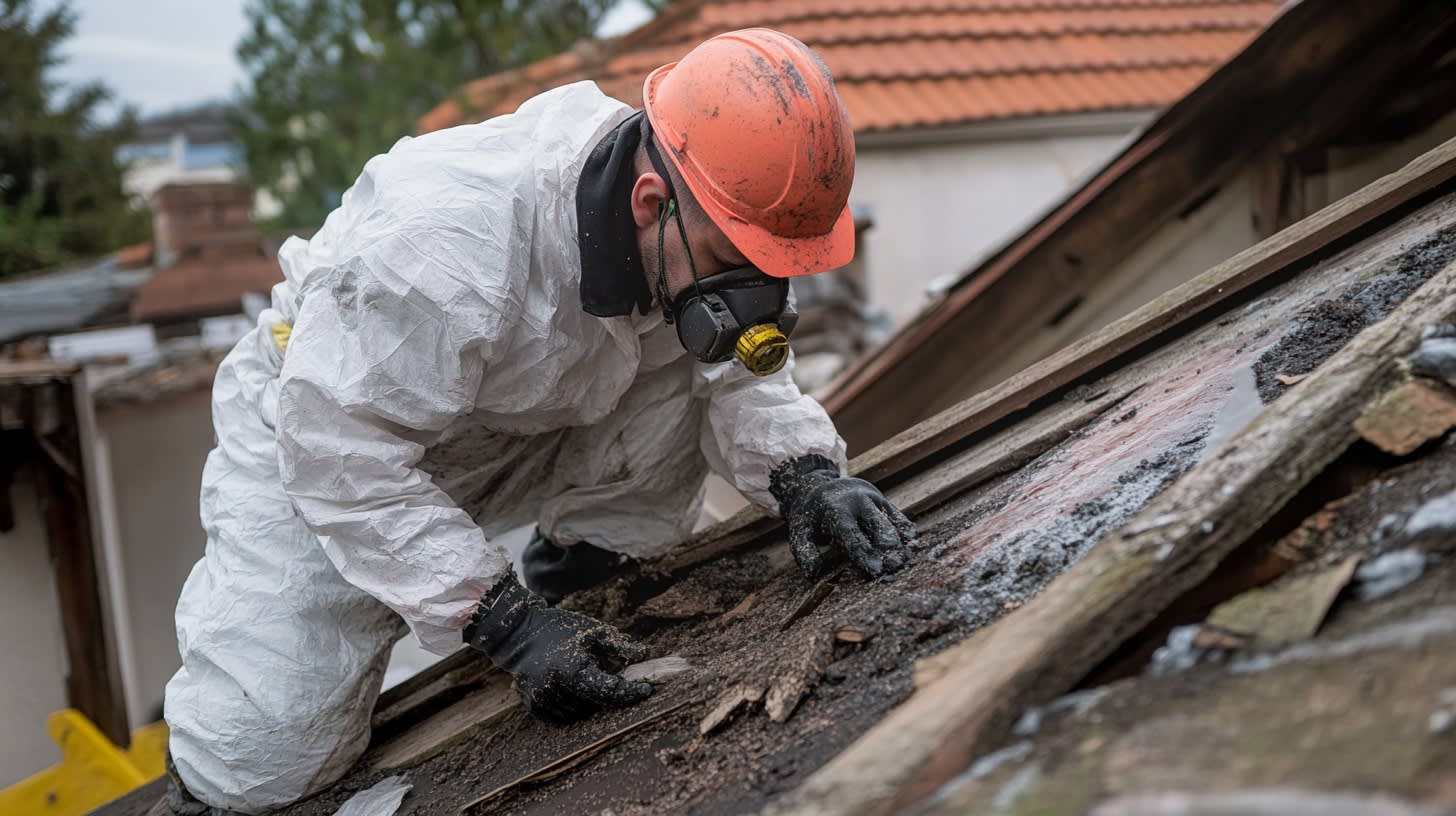
Asbestos, once a popular building material due to its fire-resistant properties, is now known to pose serious health risks. Exposure to asbestos fibers can lead to severe respiratory diseases, including mesothelioma and asbestosis, conditions that can take years or even decades to manifest. Asbestos testing is critical for identifying the presence of asbestos in a building and taking appropriate steps to mitigate any risks. Asbestos Testing plays a crucial role in ensuring both the safety of the building’s occupants and the legal compliance of the property owner.
The importance of Asbestos Testing cannot be overstated, especially for property owners and managers of older buildings. Asbestos was commonly used in construction materials until the late 20th century, with common sources including insulation, ceiling tiles, flooring, and roofing materials. The fibers from asbestos can become airborne when disturbed, such as during renovations, repairs, or natural wear and tear. Once inhaled, these fibers can cause long-term, often fatal, health problems.
One of the primary reasons property owners should invest in Asbestos Testing is to avoid potential health hazards. The inhalation of asbestos fibers is the leading cause of mesothelioma, a rare but deadly form of cancer that affects the lining of the lungs and abdomen. Other diseases, such as asbestosis and lung cancer, are also directly linked to asbestos exposure. The risk is particularly high when asbestos-containing materials (ACMs) are disturbed during construction or renovation projects. Conducting an Asbestos Testing ensures that any hazardous materials are identified and properly managed before anyone is exposed to harmful asbestos fibers.
In addition to health concerns, Asbestos Testing is essential for legal compliance. Many countries have strict regulations surrounding the identification, management, and removal of asbestos. If a property is found to contain asbestos, the owner must take appropriate measures to manage the material safely, especially if renovations or demolition work are planned. Failing to conduct asbestos testing or to comply with safety regulations can result in hefty fines, legal liabilities, and even work stoppages. An Asbestos Testing report provides essential documentation to prove compliance with local health and safety laws, offering legal protection in case of an inspection or audit.
For property managers, Asbestos Testing is also crucial for avoiding potential lawsuits. If asbestos is not identified and properly managed, tenants, workers, or visitors may unknowingly be exposed to dangerous materials. In such cases, property owners could be held liable for any resulting health issues. By conducting regular asbestos testing, property owners can mitigate the risk of exposure, protect their tenants and employees, and reduce the likelihood of costly legal battles.
Moreover, Asbestos Testing can help property owners save money in the long run. While the initial cost of testing may seem like an unnecessary expense, it is a small price to pay compared to the costs associated with asbestos-related illnesses, fines for non-compliance, and emergency asbestos removal. Identifying asbestos early allows property owners to address the issue before it escalates into a larger, more expensive problem. In many cases, if asbestos is undisturbed and in good condition, it may only need to be monitored or encapsulated, which can be much less costly than full removal.
The process of Asbestos Testing itself is straightforward, yet it requires the expertise of a trained professional. A licensed asbestos inspector will conduct a thorough survey of the building, identifying areas where asbestos may be present. Samples of suspected materials are then taken and sent to an accredited laboratory for analysis. The lab results will determine whether asbestos is present and, if so, the type and condition of the material. Based on the findings, the property owner can decide on the best course of action, whether it involves sealing, repairing, or removing the asbestos.
In conclusion, Asbestos Testing is an essential step in preventing both legal and health issues in your building. By identifying the presence of asbestos early and taking the necessary precautions, you can protect the health of those who occupy your property, comply with legal requirements, and avoid costly legal and financial repercussions. Whether you’re a property owner, manager, or contractor, asbestos testing is a smart and responsible decision that can save lives and protect your investment.