

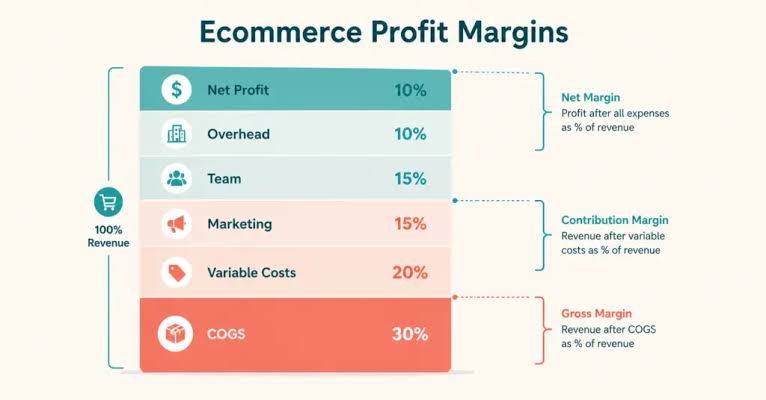
Wholesale category assessments in the hemp sector begin with a margin structure review before any volume commitment is confirmed. Live resin product lines carry distinct margin profiles that procurement teams assess before entering distribution arrangements. Internal category managers review margin structures across active product lines on fixed operational cycles. Margin structures are confirmed across every wholesale tier, and category managers assessing best live resin carts profiles ahead of procurement cycles maintain more stable wholesale arrangements.
Margin structures in this sector do not operate uniformly across all product categories. Extraction method, production volume, and compliance requirements each carry distinct margin implications for category managers. These implications are assessed independently rather than under a single consolidated margin framework. Wholesale operators that treat margin assessment as a continuous function respond to product category shifts with less procurement disruption than those reviewing margins only at fixed intervals.
Wholesale margin distribution
Live resin product margins distribute differently across wholesale tiers depending on the extraction method and production scale. Cold-chain handling requirements introduce additional cost variables that affect margin distribution across active product categories. Category managers review margin distribution patterns on fixed internal cycles rather than initiating assessments only when supply costs shift.
Retail margins connected to live resin categories tend to compress when wholesale volumes increase beyond certain thresholds. Category managers who monitor these patterns adjust volume commitments before broader distribution economics are affected. Margin distribution functions as an active procurement input rather than a retrospective financial review across live resin product lines.
Product category breakdown
- Full spectrum formats
Full-spectrum live resin formats carry higher production costs than refined oil formats during extraction. Wholesale margins connected to full-spectrum categories reflect these costs across both volume and unit pricing structures. Cold-chain handling requirements introduce additional cost variables that affect margin calculations across active full-spectrum product lines independently of volume commitments.
- Refined oil formats
Refined oil live resin formats follow a more standardised production process with fewer cost variables at the extraction stage. Wholesale margins across refined oil categories remain more consistent across volume tiers than full-spectrum formats. Lower production complexity contributes to more predictable margin structures within this category across multi-tier wholesale arrangements.
- Blended formats
Blended live resin formats combine elements of full-spectrum and refined oil production processes. This introduces a distinct margin profile that sits between the two category types. Category managers assess blended format margins independently rather than applying full-spectrum or refined oil frameworks to blended product lines.
Wholesale margin variables
Wholesale margin structures across live resin product categories connect to four core variables:
- Extraction method – Cold-chain and solvent-based extraction processes carry distinct production cost profiles affecting wholesale margin calculations across active product categories.
- Production volume – Higher production volumes reduce per-unit extraction costs, affecting wholesale margin structures across volume commitment tiers within active distribution arrangements.
- Compliance documentation – Third-party testing and certification requirements introduce fixed costs that affect wholesale margins independently of production volume or extraction method.
- Distribution scope – Multi-jurisdiction distribution arrangements carry additional logistics and compliance costs that compress wholesale margins across active live resin product categories.
Margin structures across live resin product categories shift as production variables and compliance requirements adjust throughout active wholesale cycles. Category managers who treat margin monitoring as a continuous function maintain more stable procurement arrangements over time.